
Relatives who want to avoid spending a holiday together debating politics can decide ahead of time how much election talk they want to have and when to steer the conversation back to catching up, Kennesaw State University professors say.
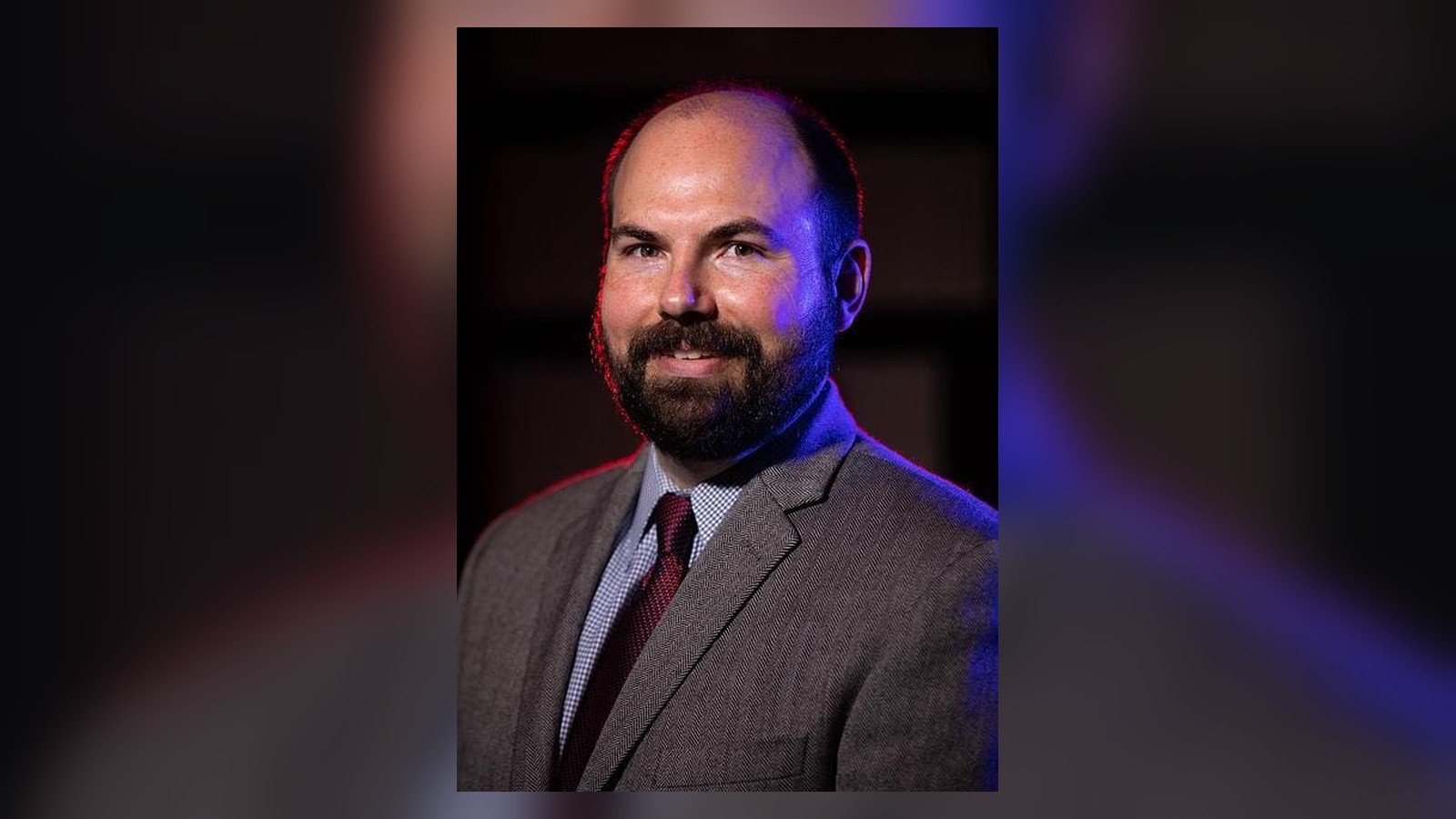
Benjamin Taylor, an associate professor of political science, studies how people handle political disagreements in everyday conversations and what makes them try to persuade others. He says relatives with strong political views can still talk civilly. Taylor encourages relatives to listen to one another and make an effort to understand differing perspectives. A conversation can be worthwhile even if everyone leaves with the opinions they brought to the table.
April Johnson, a Kennesaw State associate professor of political science and political psychologist, says people may seek information that supports their existing beliefs—a tendency known as confirmation bias. With disconfirmation bias, people may quickly search for reasons to dismiss information that conflicts with their existing views. Johnson describes both as human tendencies, not signs that someone is right or wrong.
Johnson says some relatives arrive at holiday gatherings expecting disagreement and ready to debate. When possible, she advises avoiding political discussion and shifting to a subject the other person enjoys, such as tennis or the Falcons. Johnson advises weighing whether to challenge a comment, noting that strong identification with a party or candidate can make people guard their opinions closely.
Johnson cautions that a brief holiday conversation over dessert is unlikely to change someone’s mind.
Johnson recommends that people who travel to see relatives or meet with them infrequently consider beforehand what they want from the holiday. That reflection can guide how long they discuss the election before shifting back to catching up.
Marcus Jones
News Now Georgia

