
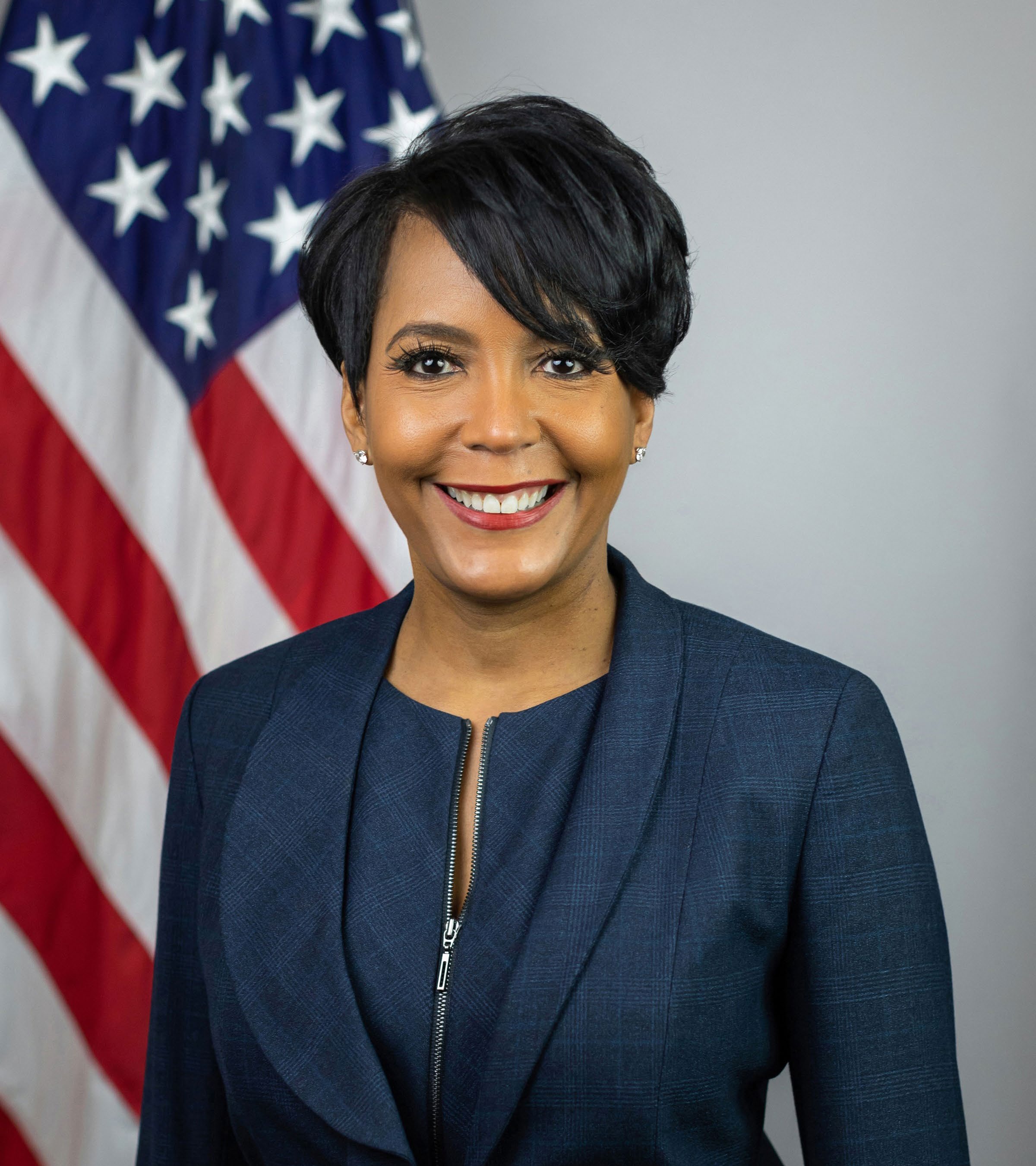
Gov.-elect Keisha Lance Bottoms says she will pursue a change to Georgia’s abortion law if a path exists, but any legislation would face a closely divided state Senate where Republicans are expected to keep control. Bottoms told reporters at the Capitol on the Friday after Election Day that she would pursue a change in the upcoming session if a path existed, or at the first later opportunity. The annual session is set to begin in January.
At a campaign rally before the Nov. 3 election, Bottoms said she would fight as governor to restore women’s reproductive decision-making rights. Her health platform called for repealing the law and returning to the Roe-era standard.
Georgia’s 2022 LIFE Act generally bans abortions once embryonic cardiac activity is detectable, typically around the sixth week of pregnancy, with some exceptions. The law remains in place while a court challenge proceeds.
A narrow path through the Senate
Democrats swept the statewide offices on the ballot and narrowly gained control of the state House in the midterm election. Republicans, however, are expected to hold a two-seat Senate majority. GOP leaders will likely determine which bills are assigned to committees, a required first step toward becoming law. Democrats would need support from at least two Republican senators to move legislation through the full chamber.
Senate Majority Leader Jason Anavitarte, a Republican from Dallas, indicated that the GOP majority was unlikely to shift its priorities on abortion and other issues. He said Republicans would stand by their beliefs and make decisions after deliberation, and pointed to the Senate election results, saying Republicans had won 29 seats.
Democratic state Sen. Josh McLaurin of Sandy Springs is set to become lieutenant governor in January after winning the majority of votes in the midterm. A Democrat will preside over the Senate, but McLaurin argued that the Republican majority does not represent a mandate. He called the 29 seats gerrymandered and said Democrats flipped four Senate seats that had previously been considered unwinnable.
Possible compromise centers on medical care
Some Democrats consider a full repeal possible but see compromise as more likely. State Sen. Sally Harrell, an Atlanta Democrat who previously sought to overturn the ban, said any compromise would have to be reached in the Senate. She said public support for abortion access and reproductive freedom might persuade some Republicans to consider limited changes.
Harrell identified possible areas for discussion: the legal ramifications of fetal personhood and protections for doctors performing procedures on pregnant patients that may harm a fetus.
The law defines a medical emergency as a condition in which an abortion is necessary to prevent the pregnant woman’s death or substantial and irreversible physical impairment of a major bodily function. Some doctors and medical organizations say that language does not align with medical practice.
State Rep. Michelle Au, a Johns Creek Democrat and physician, said providers have no bright lines for determining when an emergency exists. She said the law can make care more difficult even when the consequences are not fatal, and argued it is not a clinical mechanism or recommendation but instead interferes with medical practice and patient care. Au said lawmakers would hear from doctors and medical organizations about changes they want, and that providers should not face criminalization for delivering what they were taught is the best standard of care in particular clinical situations.
Au cited the death of Amber Thurman as an example. Thurman, a 28-year-old medical assistant, died in 2022 after a rare complication following a medication abortion. After she went to a hospital with a severe infection, doctors delayed treatment for 20 hours. ProPublica reported that Georgia’s maternal mortality review committee deemed her death preventable and found the delay largely responsible.
Advocates disagree on what the law needs
Elizabeth Edmonds, executive director of the Georgia Life Alliance, said she believes the law already protects doctors. She said legislation clarifying those protections without changing the LIFE Act’s restrictions could be more acceptable to conservative senators than repeal. Edmonds pointed to Texas’s Life of the Mother Act as an example, describing it as a public-education measure about doctors’ ability to provide care before a patient is at death’s door. She said her organization would work with either side on legislation intended to clear up public confusion.
Cole Muzio, founder and president of lobbying group Frontline Policy Action, said the current law protects doctors and that he would oppose changes. He said he sees no problem with the law’s language and would need substantial convincing to support changes beyond what he described as political efforts to increase abortion.
Muzio said he hopes Democrats do not exceed what he views as a narrow voter mandate. He said his organization is ready to work with them on bipartisan issues, including special education and children in foster care, and to defend outgoing Gov. Brian Kemp’s legacy, including the abortion ban. Muzio warned that his organization’s voters would disapprove of a senator who actively helped undo the ban, while saying he did not believe or expect that to happen.
Kwajelyn Jackson, executive director of Atlanta clinic the Feminist Center for Reproductive Liberation, said reproductive-rights advocates would lobby for a change and press public officials for prompt action.
Marcus Jones
News Now Georgia
